Fuel Storage for Generators: Safety Tips and Best Practices
This is a subtitle for your new post
Reliable backup power is no longer a luxury, especially for homeowners and business owners in Northern Virginia who deal with frequent storms, power outages, and seasonal challenges. Whether you’re considering a Generac installation, need generator repairs, or are researching the best way to store fuel safely, this guide will walk you through everything you need to know. Choosing the right generator system and understanding fuel storage best practices can protect your home, business, and peace of mind.
Why Fuel Storage Matters for Generator Safety
Fuel is the lifeblood of any standby or portable generator system. The way fuel is stored and managed directly impacts your generator’s performance, safety, and longevity.
Improper fuel storage can lead to:
- Degraded fuel quality and costly breakdowns
- Fire hazards
- Environmental contamination
- Unexpected outages during emergencies
Getting fuel storage right ensures your backup power kicks in when you need it most and that your generator remains a safe, compliant, and reliable source of emergency power.
Understanding Generator Types and Fuel Needs
Before diving into fuel storage, let’s look at the different types of generators many customers consider for residential and commercial use:
Standby Generators
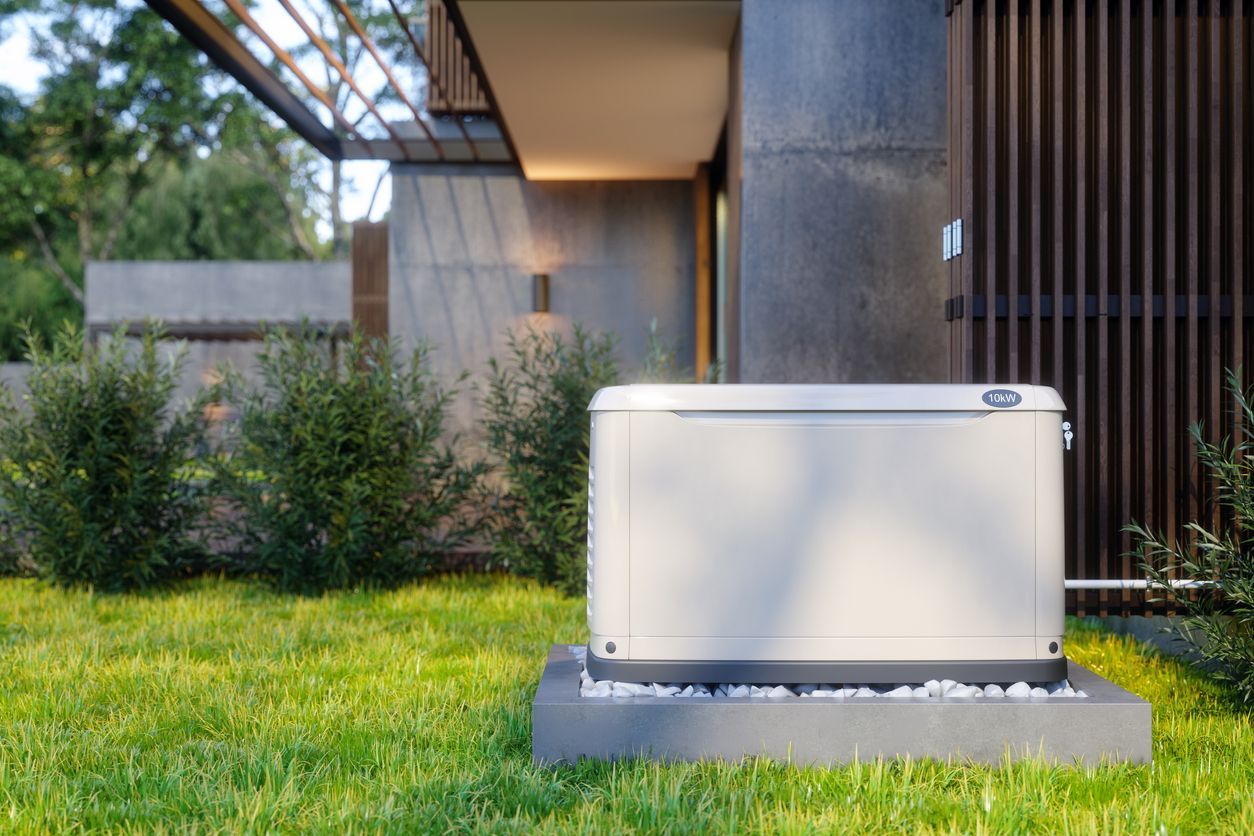
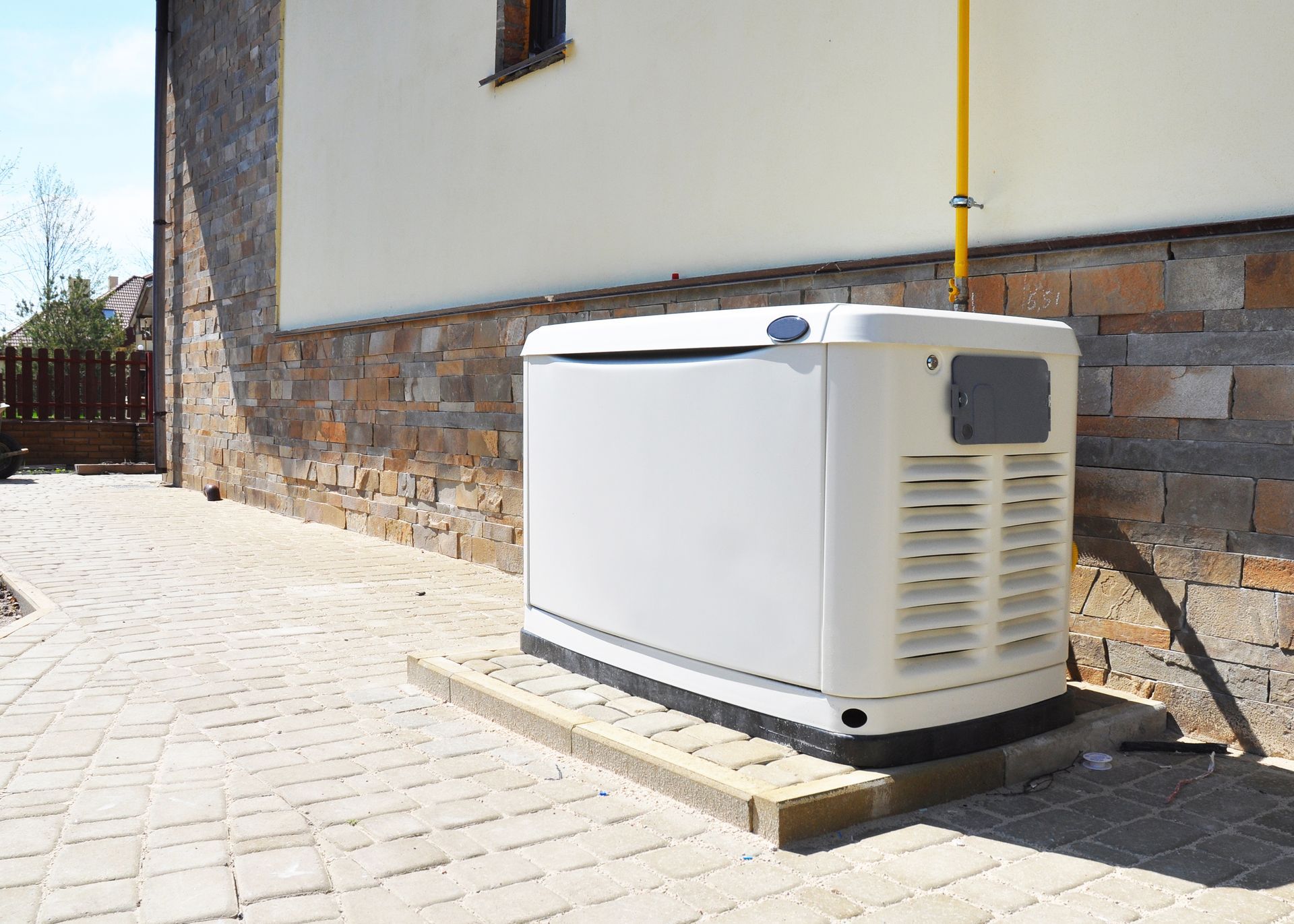
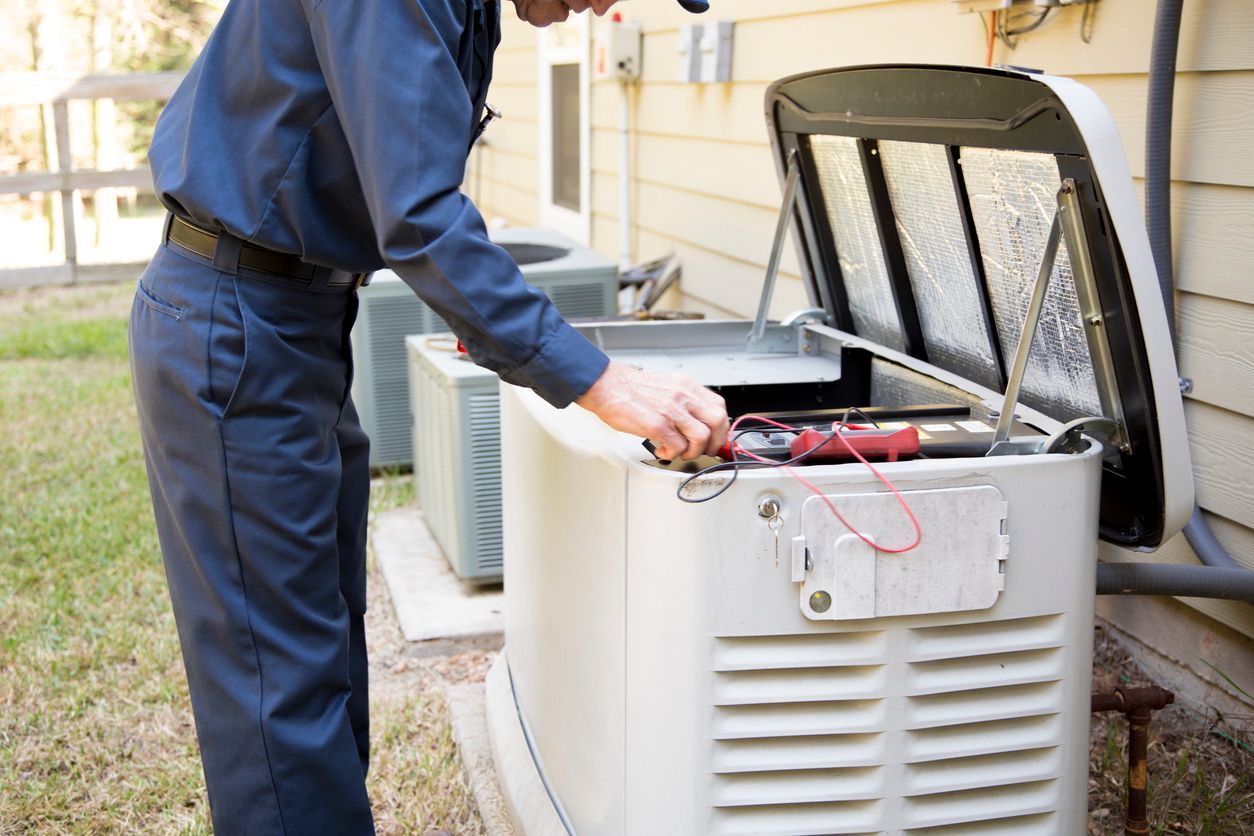
Standby generators are permanently installed systems that automatically begin supplying power within seconds of an outage. They are typically connected to your home or business electrical system and use natural gas or propane as a fuel source.
Portable Generators
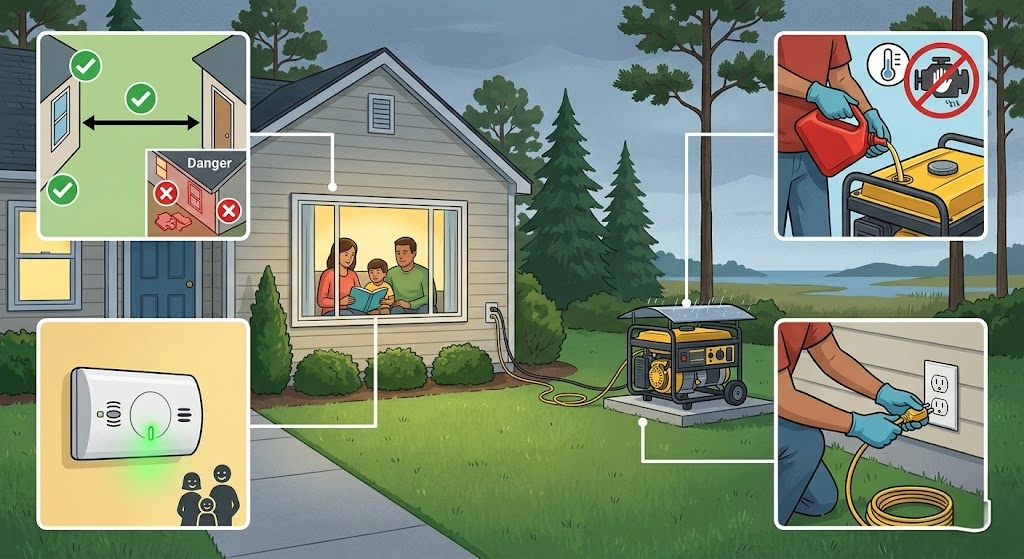
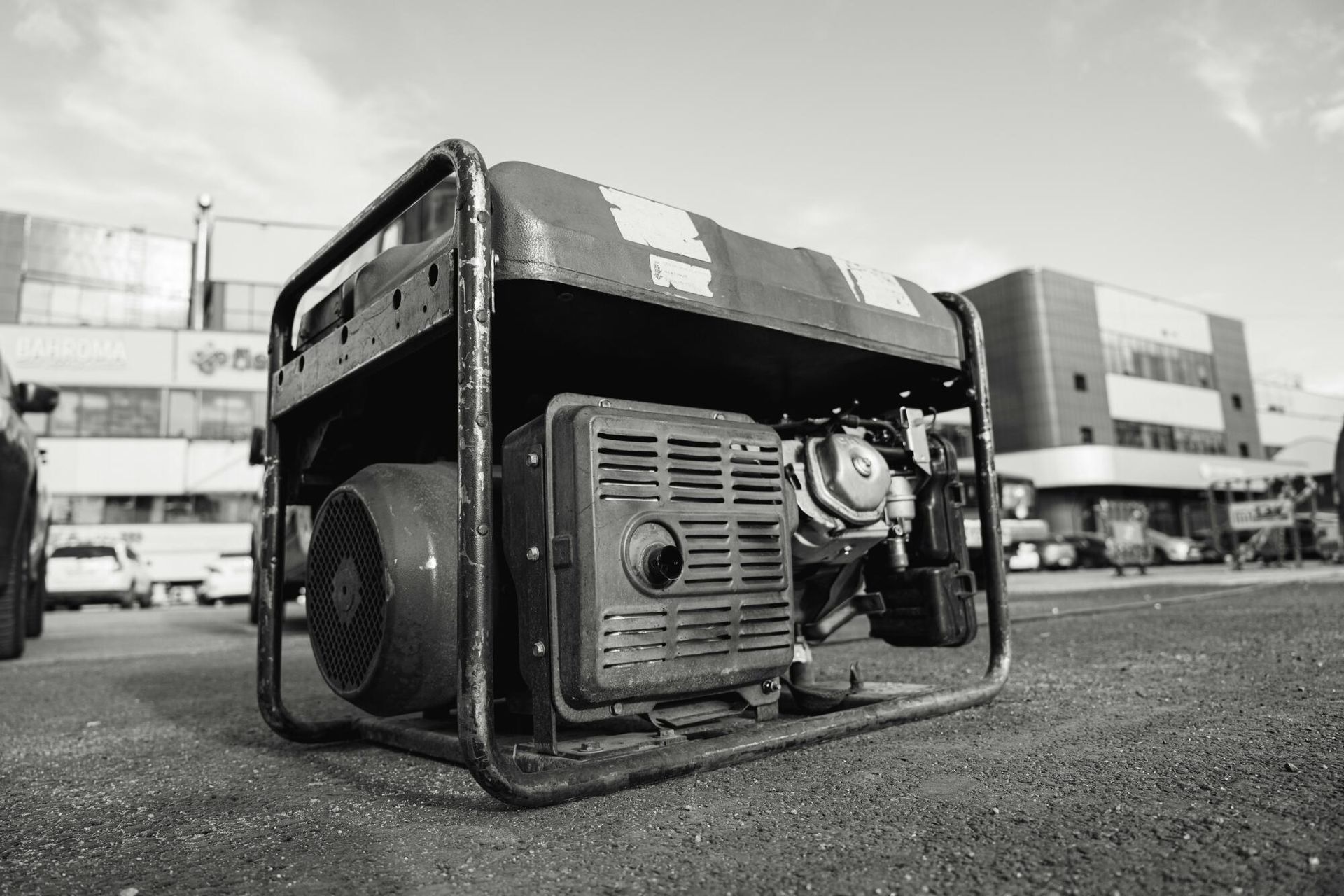
Portable generators are movable units that run on gasoline, propane, or diesel. They’re useful for temporary power needs, smaller spaces, or as supplemental backup.
Commercial Backup Generators
These high‑capacity systems are designed to keep businesses operational during outages, from essential refrigeration to lighting and critical equipment.
Each of these generator types has unique fuel storage and safety considerations, so it’s vital to plan your system based on how and where it will be used.
Generator Installation: Safety and Compliance
Installing a generator isn’t just about the unit itself; it’s about safe, code‑compliant installation and ensuring proper fuel access.
As a Generac® PowerPro Elite Dealer, Vancelectric, LLC has deep experience installing both residential and commercial generators that meet local building codes and safety mandates. Every installation:
- Follows national and state electrical codes
- Includes fuel line connections per regulations
- Requires proper siting for ventilation and safe fuel handling
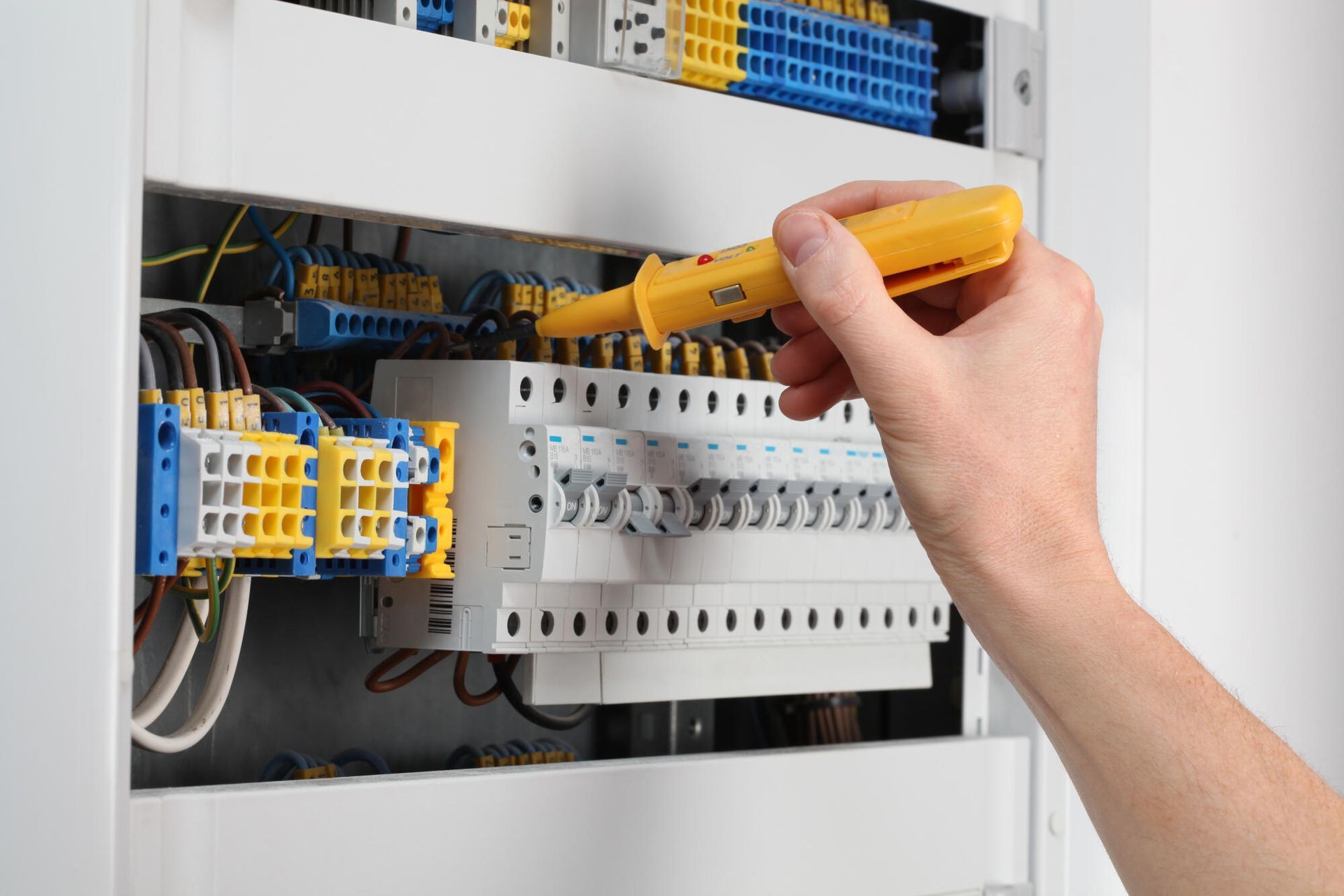
- Involves the installation of transfer switches and system testing
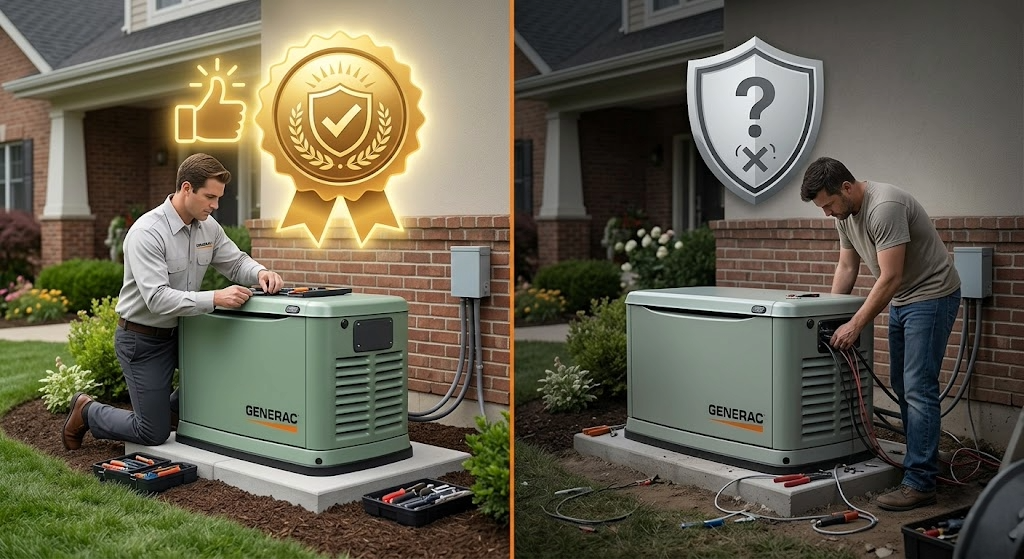
When choosing a dealer for generator installation, you should ensure that:
✔ The technicians are factory-trained and certified
✔ All fuel connections meet electrical and plumbing requirements
✔ The installer handles permitting, inspections, and utility coordination
✔ Any job includes a review of safety clearance, vents, and exhaust routing
Professional installation is your best safeguard against fuel‑related hazards and performance issues.
Safe Fuel Storage Tips for Generators
Here’s how to make sure your generator’s fuel is stored safely, legally, and in a way that protects your family or business:
1. Use Approved Containers
Only store fuel in approved, labeled safety containers designed for gasoline, diesel, or propane. These containers resist leaks, have proper venting, and often include flame arrestors.
2. Store in Designated Outdoor Areas
Fuel should never be stored inside living spaces, garages with open doors, or below‑ground level. Always store fuel in a well‑ventilated, shaded outdoor location away from ignition sources.
3. Respect Clearance and Ventilation Requirements
Ensure fuel containers are a safe distance from exhaust, HVAC intakes, vents, windows, and doors.
4. Rotate and Monitor Fuel Quality
Fuel can degrade over time. If you’re storing gasoline or diesel onsite, use fuel stabilizers, and rotate your supply every 30–60 days to keep it fresh.
5. Understand Propane Tank Standards
For standby generators that use propane, ensure your propane tank is sized appropriately, properly anchored, and inspected annually.
6. Consider Installed Fuel Lines for Standby Units
Standby generators often tie directly into home propane or natural gas lines, eliminating the need for onsite fuel storage and reducing handling risk.
Pros and Cons of Different Generator Fuel Types
Fuel type is a major factor in generator performance, storage safety, and long-term reliability. Here’s a breakdown of the most common options and how they compare, especially from a fuel storage and usage perspective.
Natural Gas
Pros:
- Clean-burning and efficient
- Continuous supply via utility lines, no need to refill
- No onsite fuel storage needed
Cons:
- Not available in all areas
- Susceptible to supply disruption during natural disasters
Best For: Permanent standby generators in homes with natural gas service.
Propane (LPG)
Pros:
- Clean-burning, low emissions
- Long shelf life, doesn’t degrade like gasoline
- Ideal for residential standby systems
Cons:
- Requires onsite tank storage
- Installation costs for propane tanks may be higher
Best For: Homes and businesses without natural gas access who want low-maintenance backup power.
Diesel
Pros:
- Powerful performance, ideal for commercial use
- Safer than gasoline (less flammable)
- Efficient fuel consumption under load
Cons:
- Requires proper ventilation and storage compliance
- Can gel in cold temperatures
- Not suitable for long-term storage without additives
Best For: Commercial backup systems or large residential setups requiring high output.
Gasoline
Pros:
- Widely available
- Easy to start in most portable units
- Lower upfront cost
Cons:
- Highly flammable — riskier to store
- Short shelf life (30–60 days without stabilizer)
- Less efficient under heavy load
Best For: Portable generators used occasionally for emergencies or remote use.
Which Fuel Type Should You Choose?
Your choice depends on:
- Access to natural gas or propane
- Generator size and usage frequency
- Budget and installation constraints
- Storage preferences and safety concerns
At Vancelectric, LLC, experts guide you through this decision during your consultation, helping you weigh the benefits based on your unique power needs, home layout, and long-term plans
How to Tell if a Generator Repair Service Is Reputable
Generator repairs aren’t something to DIY, especially when fuel, electrical connections, and system logic are involved. A reputable repair service should:
✔ Offer
factory‑trained technicians who understand the specific generator brand you purchased
✔ Perform a multi‑point inspection before repair recommendations
✔ Provide diagnostic testing and fuel system review
✔ Honor manufacturer warranties and regulatory standards
✔ Share customer reviews and credentials
At Vancelectric, LLC, every technician is trained to handle both sales and service of portable, residential, and commercial generators. The company prioritizes safety and reliability, backed by decades of experience and strong customer testimonials.
Other Brands vs. Generac Generators
While several generator brands exist, Generac stands out for reliability, innovation, and industry trust. Generac was among the first to introduce automatic gas‑fueled standby power systems and continues to lead in dependable performance.
Benefits of choosing a Generac generator include:
- Automatic power‑on within seconds of grid failure
- Remote monitoring for system status
- Wide range of models from portable to commercial
- Strong factory support and parts availability
That said, other reputable brands may fit specific budgets or use cases, and a professional installer can help you compare options based on power demands and fuel type.
Reasons to Invest in a Generator
Installing a backup generator offers a range of benefits:
- Peace of Mind: Never lose power during storms, outages, or grid failures
- Business Continuity: Maintain operations, refrigeration, safety systems, and more
- Home Comfort: Keep HVAC, lighting, medical equipment, and electronics running
- Safety for Loved Ones: Protect vulnerable family members and equipment
Generators, particularly standby models, transform unpredictable outages into manageable events, and proper fuel storage practices ensure your system runs safely when needed.
Generator Maintenance Tips to Extend Fuel Efficiency
Keeping your generator in top working order isn’t just about reliability; it also ensures you get the most out of every gallon of fuel. Whether you own a portable unit or a permanently installed standby generator, following a simple maintenance routine helps improve fuel efficiency, reduce emissions, and extend the system’s life.
Here are key tips to follow:
Run Your Generator Regularly
Most standby generators should be "exercised" for 10–15 minutes once a week. This prevents fuel from settling or gumming up the system and keeps the engine lubricated and ready.
Change the Oil and Filters
Just like a car engine, generators need regular oil and filter changes. Check your owner’s manual or schedule service at least once a year, more frequently during heavy use.
Inspect for Leaks and Corrosion
Fuel line cracks, rust on tanks, and oil drips can all cause fuel loss or pose fire hazards. Regular inspections help you catch small problems before they become major issues.
Keep the Unit Clean and Clear
Ensure the generator's vents are free of debris, leaves, or snow. Poor ventilation can lead to inefficient combustion and wasted fuel.
Use Treated Fuel or Stabilizers
For gasoline-powered generators, use a fuel stabilizer if you plan to store fuel for more than a few weeks. Stabilizers slow down the breakdown of gasoline, reducing deposits and improving efficiency.
Schedule Annual Professional Maintenance
Vancelectric, LLC offers scheduled generator service plans that include inspections, diagnostics, and load testing. Professional attention ensures every component, from ignition to fuel system, performs at peak levels.
With these simple steps, you’ll ensure your generator uses fuel wisely, lasts longer, and performs when you need it most.
Frequently Asked Questions (FAQ)
How often should I refill or check generator fuel?
For portable units, check fuel levels before seasonal outages and rotate stored gasoline every 30–60 days. Standby systems tied to propane or natural gas lines generally require no frequent refueling.
Is it safe to store gasoline in my garage?
No. Gasoline vapors are highly flammable. Always store fuel outdoors in approved containers.
Do I need a permit for generator installation in Northern VA?
Yes, local building and electrical permits are typically required for installed standby generators. A licensed contractor can manage permitting.
What type of generator is best for my home?
Standby generators provide hands‑free power restoration. Portable units are great for temporary power or emergency use. Your choice depends on power needs and fuel availability.
Can a professional handle both fuel safety and generator setup?
Absolutely, professional installers ensure your generator is installed, fueled, and configured to run safely and efficiently.
Conclusion
Fuel storage for generators isn’t just a technicality; it’s a critical part of safety and performance. Whether you’re investing in a new standby Generac installation, maintaining your existing unit, or deciding between portable and commercial setups, understanding fuel management ensures your power backup system stays ready for anything.
For homeowners and business owners in
Northern VA, trust a certified, experienced professional, like the team at Vancelectric, LLC, to provide expert generator installation, safe fuel guidance, and dependable repair service that keeps the lights on when it matters most.