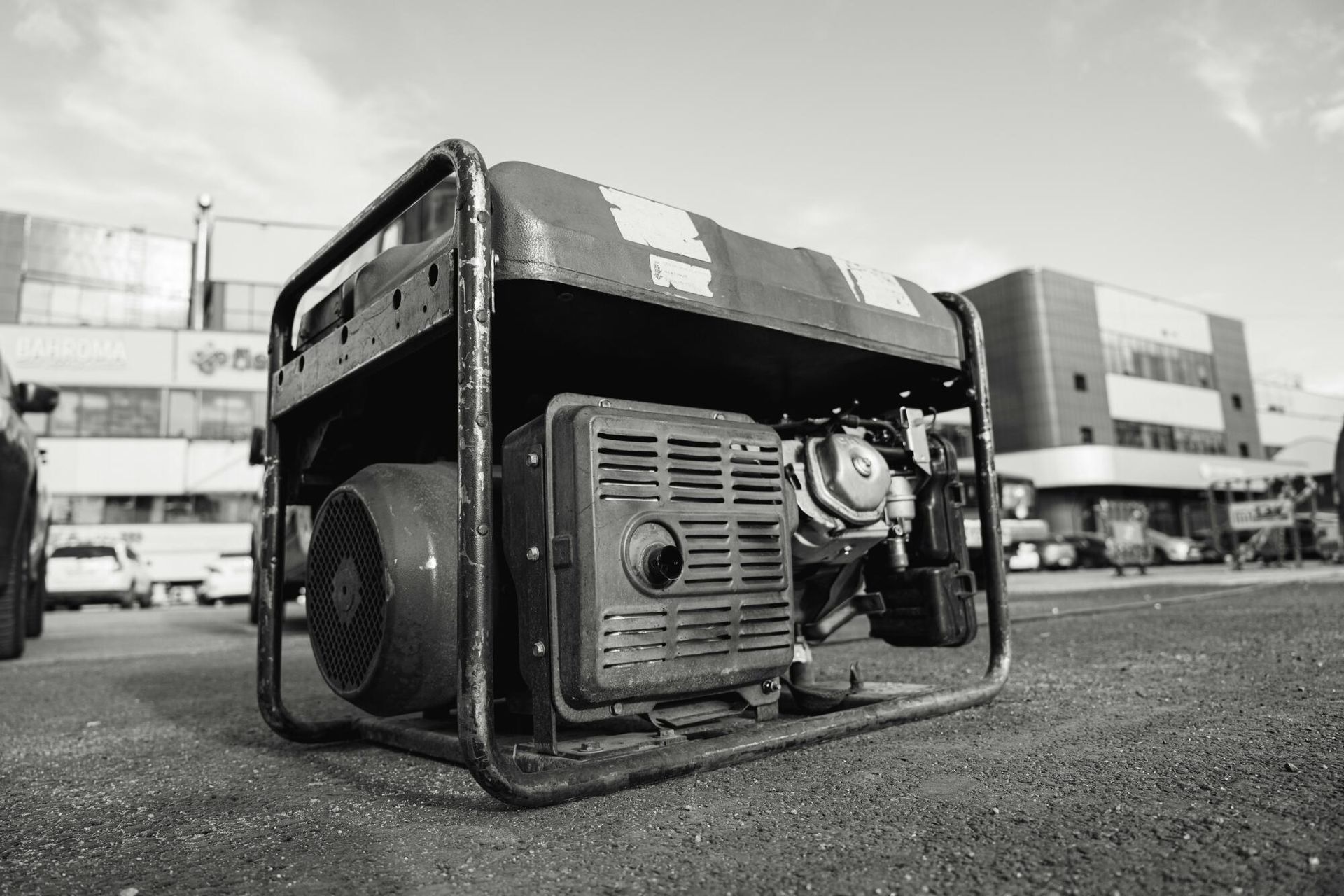
Portable Generator Safety Checklist for Hurricane Season in NE North Carolina
When hurricane season approaches in Northeast North Carolina, preparation is not optional—it is essential. Power outages can last for hours, days, or even weeks, leaving homes without refrigeration, lighting, air conditioning, or support for medical devices. That is why having a reliable portable generator—and knowing how to use it safely—can make all the difference.
This comprehensive portable generator safety checklist is designed specifically for homeowners in NE North Carolina.
Whether you are new to generators or upgrading your current setup, these tips will help you stay safe, protect your home, and ensure uninterrupted power when you need it most.
Why Portable Generator Safety Matters During Hurricane Season
Portable generators are powerful tools, but they also pose serious risks when used improperly. Carbon monoxide (CO) poisoning, electrical hazards, and fire risks are all common concerns during storm-related outages.
According to SEO best practices, content should solve a clear problem for the reader while remaining relevant and actionable —and in this case, your safety is the priority.
Residents across NE North Carolina—from coastal communities to inland towns—face unique challenges during hurricane season, including flooding, high winds, and prolonged outages. Understanding generator safety is not just helpful—it is critical.
How to Choose the Right Portable Generator for Your Home
Not all portable generators are created equal, and choosing the right one for your home in NE North Carolina is essential for both safety and performance during hurricane season.
Determine Your Power Needs
Start by identifying which appliances and systems you need to power during an outage. Most homeowners prioritize:
- Refrigerators and freezers
- Lights and fans
- Medical equipment
- Sump pumps or well pumps
Each device requires a specific wattage to start and run. Choosing a generator with sufficient capacity ensures you will not overload the system or risk damaging your equipment.
Consider Fuel Type and Runtime
Portable generators typically run on gasoline, propane, or dual-fuel systems. Each option offers different benefits:
- Gasoline generators are widely available and easy to refuel
- Propane generators burn cleaner and store longer
- Dual-fuel models provide added flexibility during extended outages
Runtime is another key factor, especially during hurricanes when fuel access may be limited. Look for models that can run for extended periods on a single tank.
Noise Level and Portability
In residential areas across NE North Carolina, noise can be a concern—especially during prolonged outages. Many modern generators are designed for quieter operation, making them more neighborhood-friendly.
Portability is also important. Look for models with:
- Durable wheels
- Compact frames
- Easy-start features
Why Generac Products Stand Out
Generac is one of the most trusted names in backup power solutions. Their portable generators are known for:
- Reliable performance in severe weather
- User-friendly controls
- Durable construction built for long-term use
Working with a trusted provider like Vanelectric ensures you get expert guidance in selecting the right Generac generator for your home’s specific needs.
Safe Placement: Where You Put Your Generator Matters
One of the most important rules of generator safety is proper placement.
Never Operate Indoors
Portable generators should never be used inside your home, garage, crawl space, or enclosed porch—even if doors or windows are open. Carbon monoxide is odorless and deadly, and it can build up quickly in enclosed spaces.
Maintain Safe Distance
Always place your generator:
- At least 20 feet away from your home
- Downwind from doors, windows, and vents
- On a flat, dry surface
Avoid Flood-Prone Areas
In hurricane-prone regions like NE North Carolina, flooding is a real concern. Keep your generator elevated and away from standing water to prevent electrical hazards.
Carbon Monoxide (CO) Safety: The Silent Danger
Carbon monoxide poisoning is one of the leading causes of generator-related fatalities during storms.
Install CO Detectors
Every home using a portable generator should have:
- Battery-operated or battery-backup CO detectors
- Detectors are installed on every level of the home
Know the Symptoms
Watch for signs of CO exposure:
- Headaches
- Dizziness
- Nausea
- Confusion
If you suspect CO poisoning, evacuate immediately and call emergency services.
Safe Operation: How to Use Your Generator Properly
Operating your generator correctly ensures both efficiency and safety.
Read the Manufacturer’s Instructions
Each generator model is different. Always follow the manufacturer’s guidelines for:
- Startup procedures
- Load capacity
- Maintenance schedules
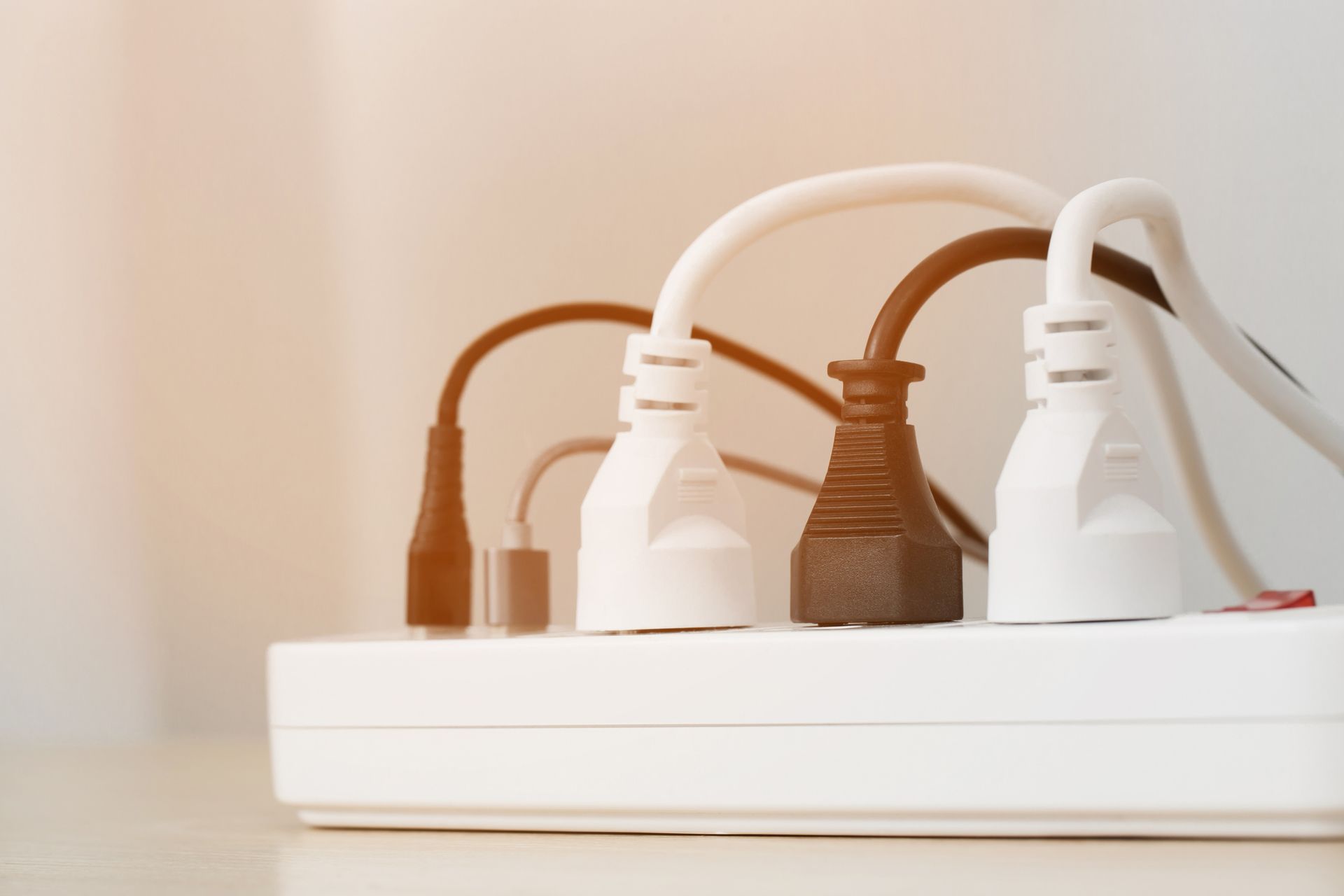
Do Not Overload the Generator
Overloading can damage your generator and appliances. Prioritize essential devices like:
- Refrigerators
- Medical equipment
- Lights
- Sump pumps
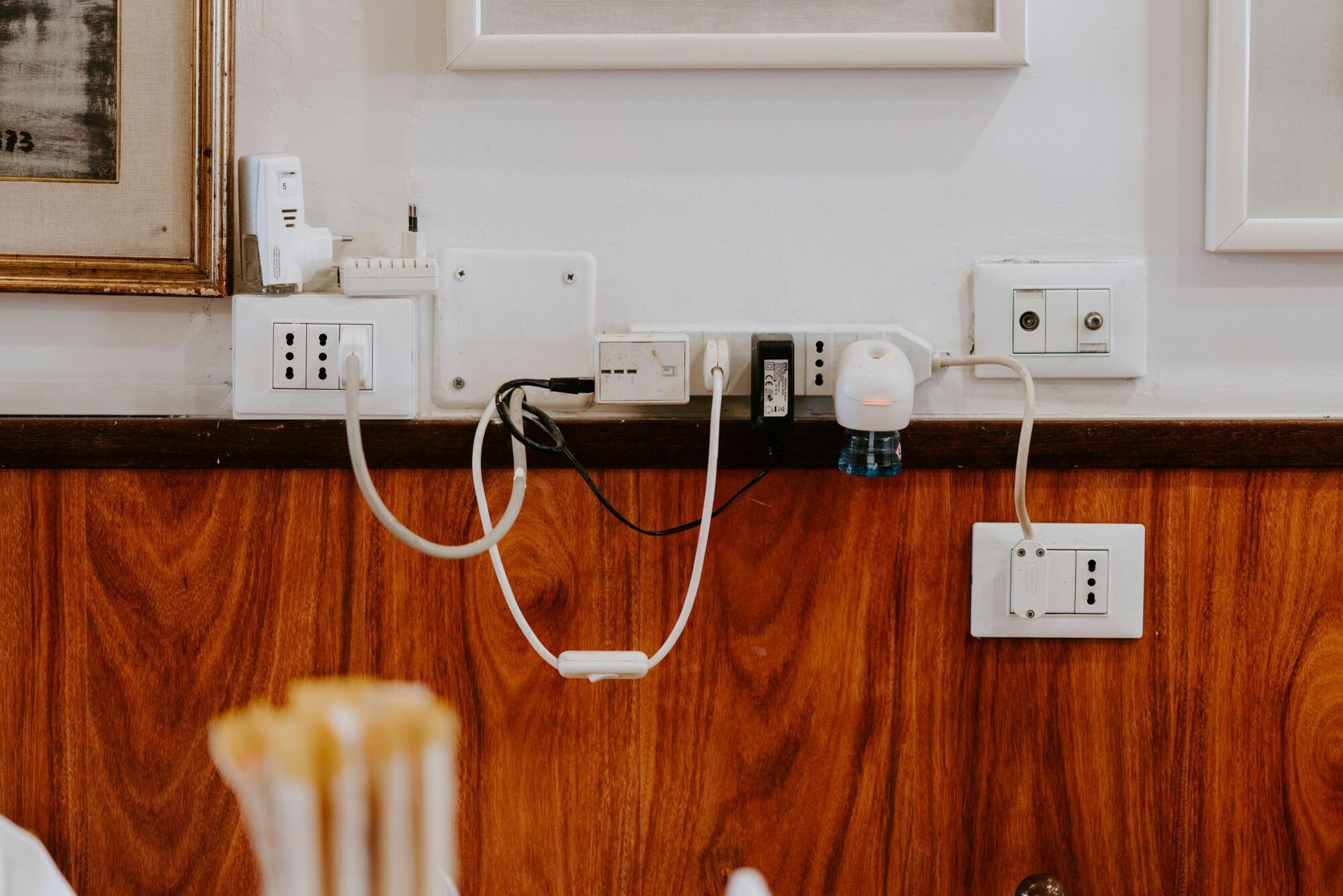
Use Heavy-Duty Extension Cords
Only use:
- Outdoor-rated extension cords
- Cords with sufficient wattage capacity
Avoid running cords through windows or doors where they can be pinched or damaged.
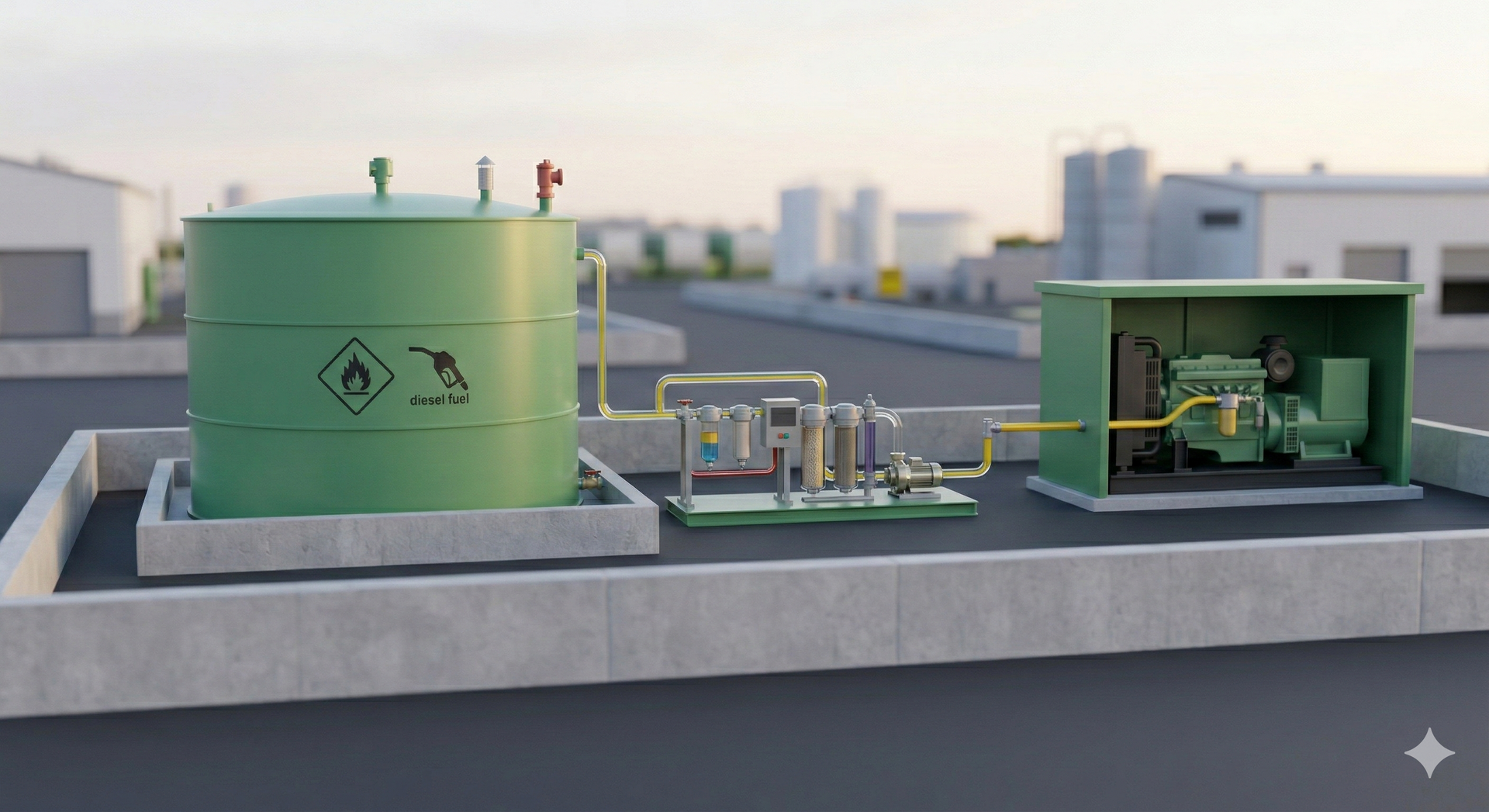
Fueling Safety: Prevent Fires and Accidents
Fuel handling is another major safety concern during hurricane season.
Turn Off Before Refueling
Never add fuel while the generator is running or hot. Allow it to cool down first to prevent accidental ignition.
Store Fuel Properly
Keep gasoline in:
- Approved fuel containers
- Well-ventilated, secure areas away from living spaces
Avoid Fuel Spills
Spilled fuel can ignite quickly. Always refuel carefully and clean up any spills immediately.
The Importance of Professional Installation and Support
While portable generators are designed for flexibility, having professional guidance ensures they are used safely and effectively.
Working with a trusted local provider like Vanelectric gives homeowners in NE North Carolina access to:
- Expert recommendations
- Proper setup guidance
- Ongoing maintenance support
Professional oversight helps reduce risks and ensures your generator performs when it matters most.
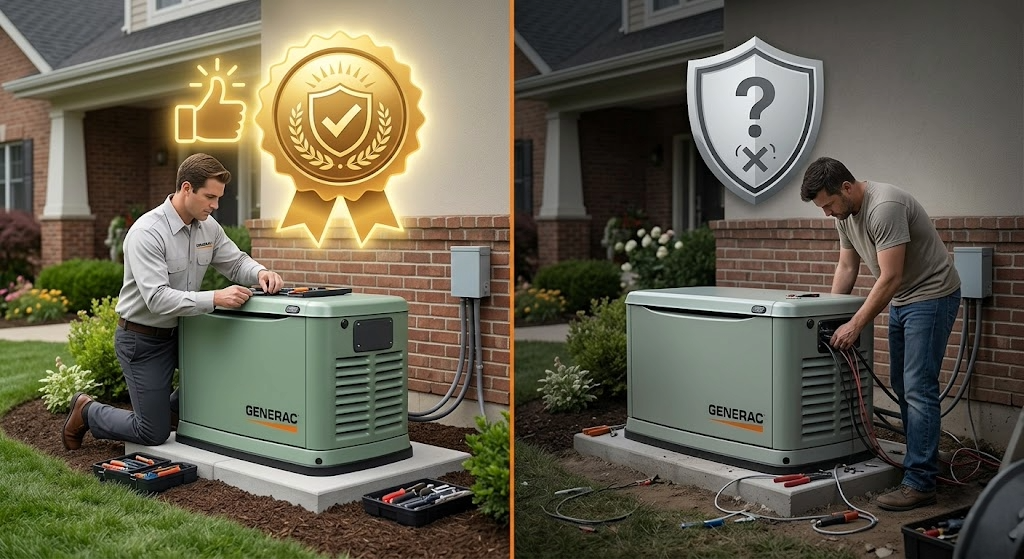
Why Choose a Certified Generac Dealer
Not all generator providers are created equal. Choosing a certified Generac dealer offers several advantages.
Access to High-Quality Generac Products
Generac is a leading name in backup power solutions, known for:
- Reliable performance
- Durable construction
- Advanced safety features
Expert Knowledge and Training
Certified dealers have specialized training in:
- Product selection
- Installation best practices
- Troubleshooting and repairs
Long-Term Support
From routine maintenance to emergency service, working with a certified dealer ensures you are never left without support during critical moments.
Portable vs. Standby Generators: What Is Right for You?
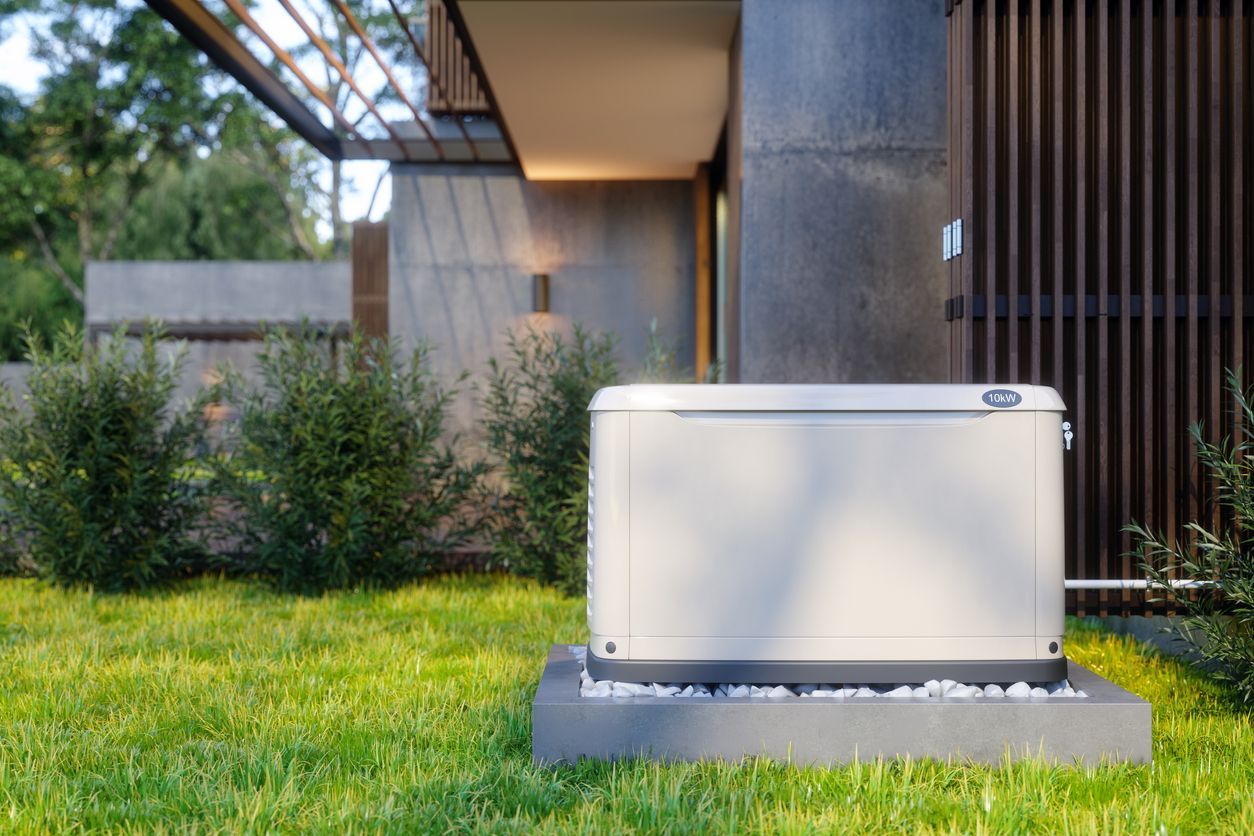
While portable generators are a great option for many households, it is worth considering whether a standby home generator might better suit your needs.
Portable Generators
Best for:
- Temporary power needs
- Budget-conscious homeowners
- Flexibility and mobility
Standby Home Generators
Best for:
- Automatic power during outages
- Whole-home coverage
- Long-term reliability
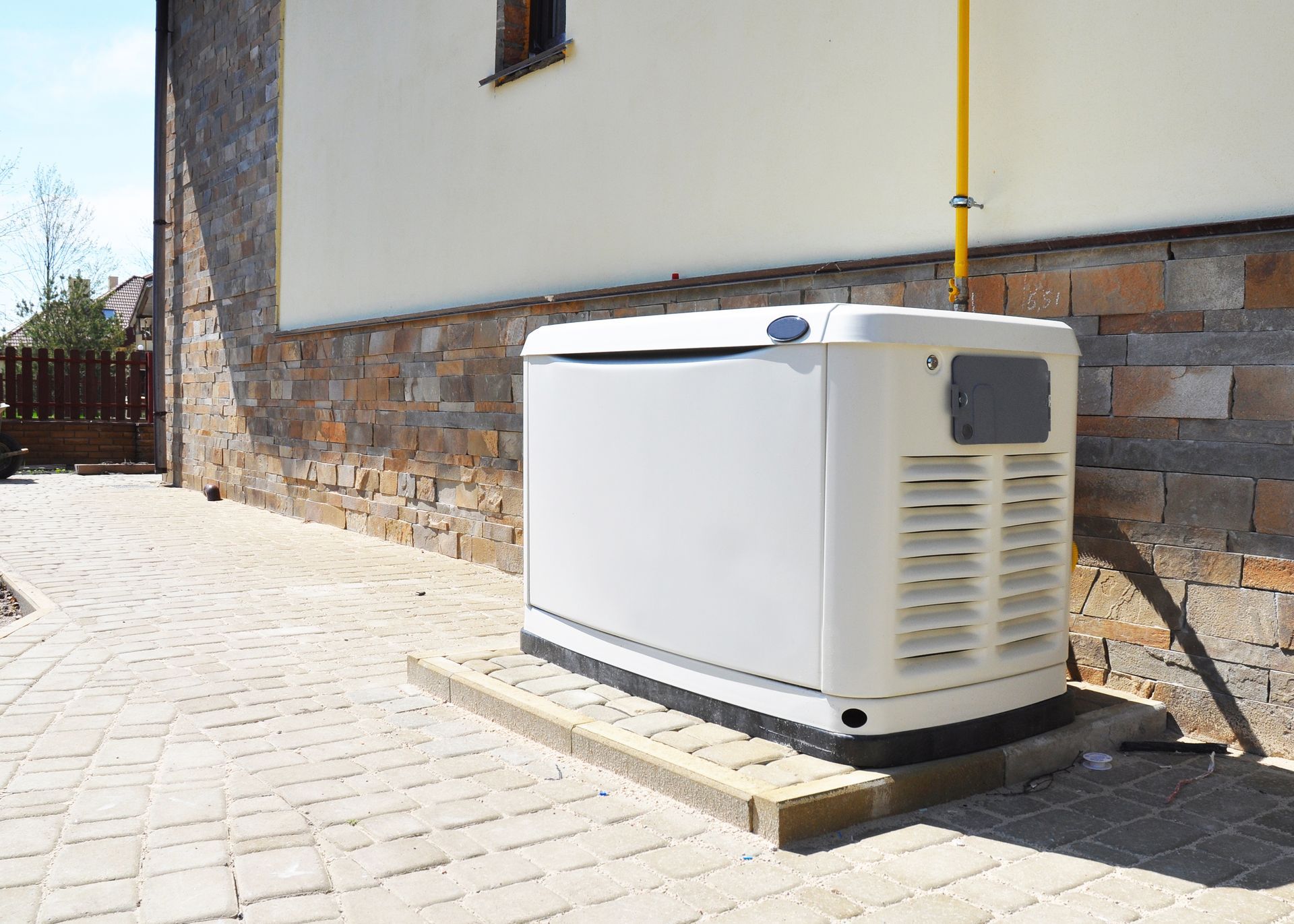
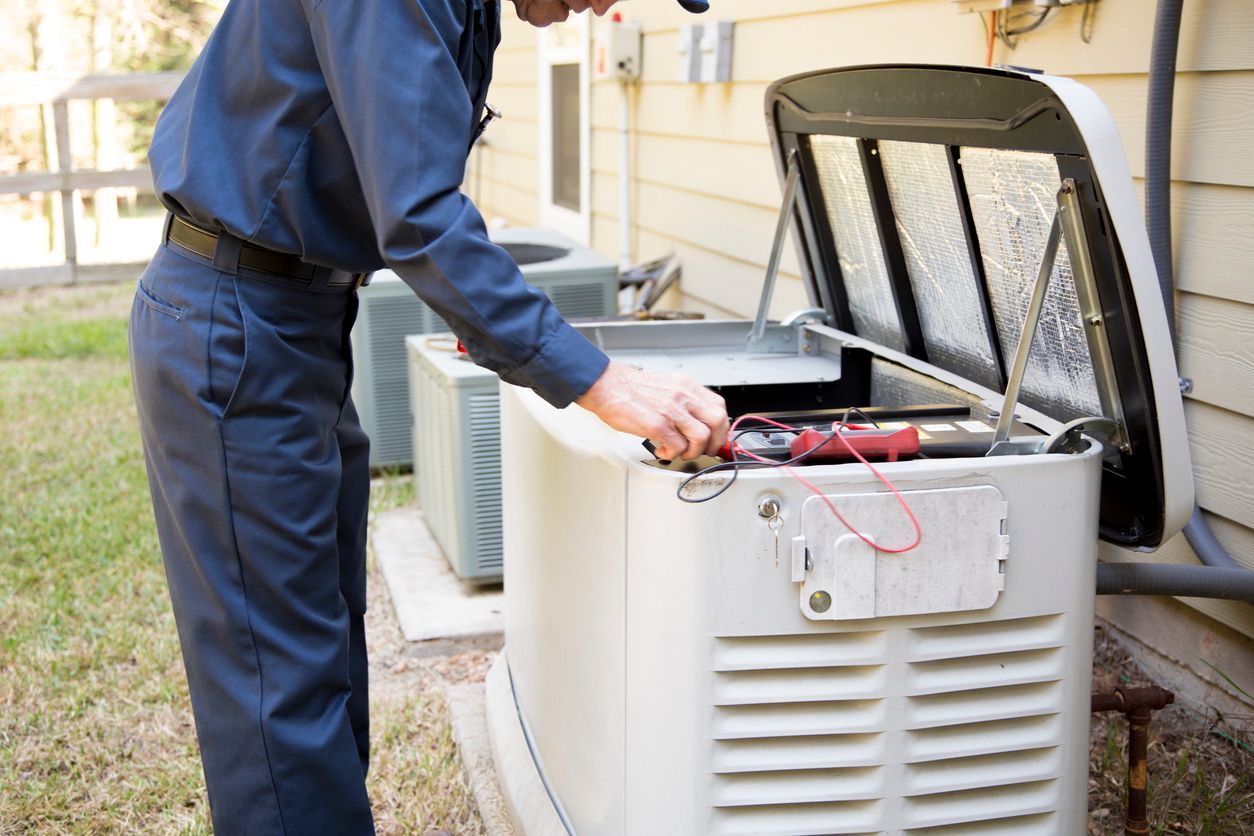
Standby generators are permanently installed and can automatically start when power goes out, offering peace of mind during severe storms.
Serving NE North Carolina: Local Expertise You Can Trust
Hurricane preparedness is not one-size-fits-all. Residents in NE North Carolina need solutions tailored to the region’s unique weather patterns and infrastructure.
Vanelectric proudly serves communities across Northeast North Carolina, providing:
- Portable generator services
- Standby generator installation
- Maintenance and repairs
Their local expertise ensures homeowners receive recommendations that truly fit their environment and needs.
Benefits of Routine Generator Service and Maintenance Plans
Owning a portable generator is only part of the equation—keeping it properly maintained is what ensures it works when you need it most.
Prevent Unexpected Failures
The last thing you want during a hurricane is a generator that will not start. Routine maintenance helps identify potential issues before they become major problems, reducing the risk of failure during an outage.
Extend the Life of Your Generator
Like any mechanical equipment, generators experience wear and tear over time. Regular service—including oil changes, filter replacements, and system checks—helps extend the lifespan of your investment.
Ensure Safe Operation
A poorly maintained generator can pose serious safety risks, including fuel leaks, electrical issues, and carbon monoxide hazards. Professional inspections ensure your system is operating safely and efficiently.
Stay Ready for Hurricane Season
In NE North Carolina, hurricane season is predictable—even if the storms themselves are not. Scheduling routine maintenance before the season begins ensures your generator is ready to perform when severe weather hits.
Priority Support When You Need It Most
Working with a trusted local provider like Vanelectric means you will have access to reliable service and support when it matters most. From routine tune-ups to emergency assistance, having a professional team on your side adds an extra layer of confidence during storm season.
Portable Generator Maintenance Tips
Proper maintenance keeps your generator ready when you need it most.
Perform Regular Inspections
Check for:
- Fuel leaks
- Damaged cords
- Loose connections
Run the Generator Periodically
Running your generator every few months helps:
- Keep internal components lubricated
- Identify potential issues early
Replace Oil and Filters
Follow manufacturer guidelines for:
- Oil changes
- Air filter replacements
Routine maintenance extends your generator’s lifespan and ensures reliable performance during emergencies.
Hurricane Season Generator Checklist
Use this quick checklist to prepare your generator before a storm hits:
- ✔ Place the generator at least 20 feet from your home
- ✔ Install and test CO detectors
- ✔ Stock up on fuel and store it safely
- ✔ Inspect extension cords and connections
- ✔ Review manufacturer instructions
- ✔ Schedule professional maintenance if needed
- ✔ Identify essential appliances to power
- ✔ Keep your generator dry and elevated
Preparation now can prevent dangerous situations later.
Frequently Asked Questions
How far should a portable generator be from my house?
A portable generator should be placed at least 20 feet away from your home, with exhaust directed away from doors and windows.
Can I run a generator in my garage if the door is open?
No. Even with the door open, carbon monoxide can accumulate quickly and pose a serious health risk.
How long can I run a portable generator continuously?
This depends on the model, but most generators can run for 8–12 hours on a full tank. Always follow manufacturer guidelines.
Is professional installation necessary for portable generators?
While not always required, professional guidance ensures safe setup, proper usage, and compliance with safety standards.
What is the difference between portable and standby generators?
Portable generators require manual setup and fueling, while standby generators are permanently installed and automatically provide power during outages.
Stay Safe and Prepared This Hurricane Season
Hurricane season in NE North Carolina demands preparation, and having a portable generator is a smart investment. But safety should always come first.
By following this portable generator safety checklist, you can protect your home, your family, and your peace of mind during even the most severe storms.
If you are looking for reliable portable generator service, expert guidance, and trusted Generac products, Vanelectric is a dependable local resource ready to help you prepare with confidence.